


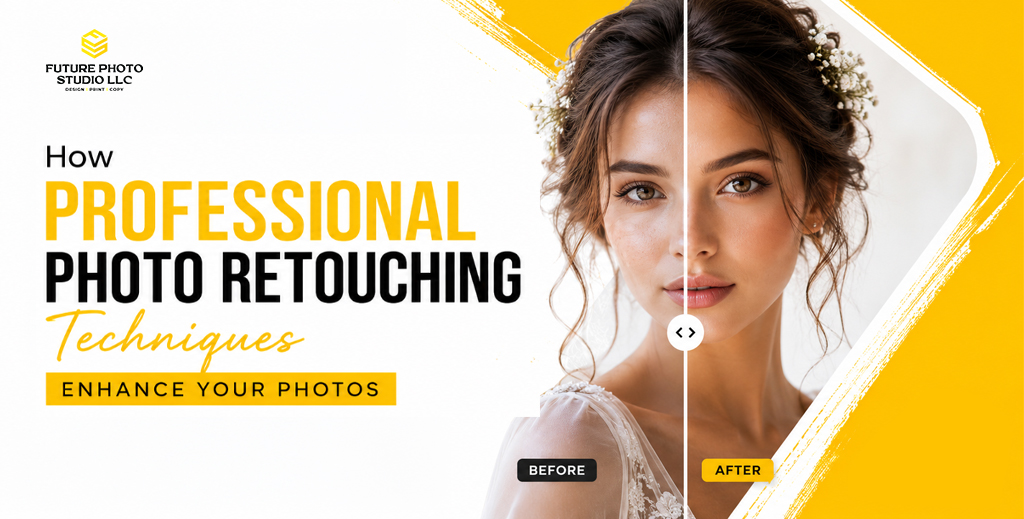
How Professional Photo Retouching Techniques Enhance Your Photos
Have you ever looked at a professional photograph and wondered why it looks so polished, balanced, and visually appealing?
The answer isn’t always an expensive camera or perfect lighting.
Behind many stunning photographs is a carefully planned photo retouching process.
A photographer may capture the perfect moment, but professional retouching can help refine the final image by correcting distractions, improving colors, balancing lighting, and enhancing important details. When done correctly, retouching doesn’t make a photograph look artificial. Instead, it helps the image look closer to the photographer’s original creative vision.
But what exactly happens during professional photo retouching?
Imagine you have a portrait that you love. The expression is perfect, the lighting is beautiful, and the composition works well—but there is a small blemish, an unwanted object in the background, and the colors look slightly dull.
Would you rather:
A. Keep the image exactly as it is?
B. Apply a heavy filter that changes the entire appearance?
C. Make subtle, professional adjustments that preserve the natural look?
For most professional photography, Option C is the goal.
In this guide, we’ll explore the most common professional photo retouching techniques, how they enhance different types of photography, and why professional retouching can make a significant difference to your final images.
What Is Professional Photo Retouching?
Professional photo retouching is the process of making carefully controlled adjustments to a photograph to improve its appearance, correct imperfections, or achieve a specific visual style
Unlike simply applying a filter, professional retouching involves detailed adjustments that can be tailored to individual images.
Depending on the type of photograph, retouching may include:
- Skin and portrait enhancement
- Color correction
- Exposure adjustments
- Background cleanup
- Object removal
- Product image enhancement
- Eye and teeth enhancement
- Clothing and fabric correction
- Image sharpening
- Advanced beauty retouching
The objective is usually not to change everything in the photograph. Instead, the goal is to enhance the image while maintaining its authenticity and visual character.
1. Skin Retouching: Creating a Polished Yet Natural Look
Skin retouching is one of the most recognizable techniques used in professional photography.
Portraits, fashion photographs, maternity sessions, wedding images, and business headshots may all benefit from carefully executed skin retouching.
Professional retouching can help reduce:
- Temporary blemishes
- Minor spots
- Skin redness
- Uneven skin tones
- Small distractions
However, good retouching isn’t about making someone’s skin look completely artificial.
The most effective approach is often to preserve natural skin texture while making subtle corrections.
Think about it this way:
Over-retouched: Plastic-looking skin
Under-retouched: Distracting temporary imperfections
Professionally retouched: Natural skin with refined details
This balance is particularly important for professional headshots and business portraits, where the subject should look confident and polished while still appearing authentic.
2. Color Correction: Bringing the Right Mood to Your Images
Have you ever taken a photograph that looked great on your camera but appeared too yellow, too blue, or dull when viewed later?
This is where color correction can make a significant difference.
Professional retouchers can adjust elements such as:
- White balance
- Skin tones
- Color temperature
- Saturation
- Contrast
- Individual color channels
For example, an indoor photograph may have an unwanted yellow color cast because of artificial lighting. Color correction can help bring the image closer to natural-looking tones.
For commercial photography, consistent color is especially important.
Imagine an e-commerce business displaying ten products online. If every product photograph has a different color tone, the website may look inconsistent.
Professional color correction can help create a more cohesive visual identity.
3. Exposure and Lighting Adjustments
Even with careful planning, lighting isn’t always perfect.
A photograph may have:
- Dark shadows
- Overexposed highlights
- Uneven lighting
- Low overall brightness
- Loss of detail
Professional photo retouching can help balance these elements.
For example, if a portrait has a beautifully lit subject but the background is too dark, adjustments can help bring more balance to the overall image.
Similarly, if a product photograph contains areas that are too bright, retouching can help recover visual details where possible.
The goal?
To make the image easier to view and ensure that important details don’t get lost in extreme highlights or shadows.
4. Background Cleanup: Removing Visual Distractions
Sometimes, the subject of a photograph is perfect—but something in the background is distracting.
It could be:
- A random person
- A small object
- Wires or cables
- Dust or marks
- Unwanted signs
- Clutter
Professional retouching can remove or reduce these distractions, allowing the viewer to focus on the main subject.
This technique can be particularly useful for:
Portrait photography: Keeping attention on the person.
Product photography: Creating a cleaner presentation.
Real estate photography: Improving the visual appeal of interiors.
Event photography: Removing minor distractions from important moments.
A clean background can often make an image feel more organized and professional.
5. Object Removal: Cleaning Up Unwanted Elements
Have you ever taken the perfect photograph only to notice an unwanted object after reviewing it?
Maybe it’s a bag on the floor, a person walking behind the subject, or an object that wasn’t noticed during the shoot.
Depending on the complexity of the image, professional retouching can help remove such elements.
However, object removal requires more than simply deleting something.
The retoucher may need to recreate or reconstruct the background behind the removed object so that the final image looks natural.
This is why professional retouching can be especially valuable when working with complex backgrounds.
6. Eye and Teeth Enhancement for Portraits
The eyes are often one of the first things people notice in a portrait.
Subtle retouching can help improve:
- Eye brightness
- Clarity
- Catchlights
- Overall eye detail
Similarly, teeth can be gently whitened when necessary.
Professional retouching should enhance the photograph without making the person look noticeably edited.
The best retouching often has one important quality:
You notice the person—not the editing.
7. Product Photo Retouching: Making Products Look Their Best
Professional retouching isn’t only for people.
Businesses often use photo retouching to improve product images for:
- E-commerce websites
- Online marketplaces
- Social media
- Catalogues
- Advertising campaigns
- Promotional materials
Product retouching may involve:
- Removing dust and small imperfections
- Correcting colors
- Improving sharpness
- Cleaning backgrounds
- Enhancing product details
- Correcting reflections
- Creating consistent visual presentation
For online businesses, high-quality product images can influence how customers perceive a product.
A well-retouched image can help present the product clearly and professionally, allowing potential customers to examine important details before making a purchase decision.
8. Fashion Photo Retouching: Enhancing the Editorial Look
Fashion photography often requires a more creative approach to retouching.
Depending on the project, professional retouching may include:
- Skin refinement
- Clothing cleanup
- Fabric detail enhancement
- Color grading
- Background adjustments
- Creative lighting effects
Fashion retouching may also involve more advanced techniques because the final images are often used for campaigns, portfolios, magazines, advertisements, or social media.
However, the retouching style should always match the creative direction of the project.
A luxury fashion campaign may require a different treatment from a casual clothing brand’s social media campaign.
9. Professional Headshot Retouching
Your professional headshot is often the first visual impression people have of you online.
It may appear on:
- Company websites
- Business profiles
- Corporate directories
- Personal branding platforms
A professional headshot should communicate confidence and professionalism.
Retouching can help by:
- Removing temporary blemishes
- Balancing skin tones
- Improving lighting
- Cleaning backgrounds
- Enhancing image clarity
The aim is to make the photograph polished while ensuring that the person still looks like themselves.
This is particularly important for professionals who use their headshots as part of their personal brand.
10. Image Sharpening and Detail Enhancement
A photograph can sometimes look slightly soft or lack visual clarity.
Professional retouching may include controlled sharpening to enhance important details.
For example, sharpening can help emphasize:
- Facial details
- Product textures
- Clothing patterns
- Architectural features
- Fine details in commercial photography
However, excessive sharpening can create unwanted effects such as halos or unnatural edges.
Professional retouching focuses on applying the right level of enhancement for the image and its intended use.
11. Advanced Retouching Techniques
Some photographs require more advanced editing techniques.
These may include:
- Frequency separation
- Dodge and burn
- High-end beauty retouching
- Detailed color grading
- Advanced background replacement
- Creative compositing
These techniques are commonly used in areas such as:
- Beauty photography
- High-end fashion photography
- Advertising
- Commercial campaigns
- Editorial photography
Advanced retouching can require considerable skill and attention to detail.
The challenge is to create a visually refined photograph without losing the characteristics that make the original image unique.
Which Types of Photography Benefit Most From Professional Retouching?
Not every photograph needs extensive retouching.
However, certain photography styles can benefit significantly from professional editing.
| Photography Type | Common Retouching Needs |
|---|---|
| Portrait Photography | Skin, color, lighting and background |
| Business Headshots | Skin, lighting, background and clarity |
| Fashion Photography | Skin, clothing, color and creative editing |
| Product Photography | Dust removal, color and background |
| E-commerce Photography | Consistency, color and product cleanup |
| Wedding Photography | Color, lighting and distractions |
| Maternity Photography | Skin, lighting and subtle enhancement |
| Real Estate Photography | Exposure, color and visual balance |
| Commercial Photography | Color consistency and detailed enhancement |
The amount of retouching required depends on the purpose of the photograph, the shooting conditions, and the desired final result.
Photo Editing vs Photo Retouching: What’s the Difference?
These two terms are often used interchangeably, but they aren’t always the same.
Photo editing generally refers to broader adjustments made to an image, such as:
- Cropping
- Exposure correction
- Color adjustments
- Contrast
- Basic enhancements
Photo retouching is often more detailed and focuses on refining specific elements of an image.
For example:
Editing: Adjusting the overall brightness of a portrait.
Retouching: Carefully refining skin texture, removing a temporary blemish, and enhancing specific facial details.
In many professional photography workflows, editing and retouching work together to create the final image.
Why Does Professional Photo Retouching Matter?
A well-composed photograph is an excellent starting point, but the final image may still benefit from careful refinement.
Professional retouching can help you:
Improve Visual Quality
Small imperfections and distractions can be corrected to create a cleaner image.
Create Consistency
Businesses can maintain a consistent visual appearance across multiple photographs.
Strengthen Your Brand Image
High-quality visuals can help businesses present themselves more professionally.
Highlight Important Details
Retouching can direct attention toward the most important parts of an image.
Preserve the Natural Appearance
Professional retouching aims to enhance rather than completely transform the subject.
How Much Retouching Is Too Much?
This is one of the most important questions in professional photo retouching.
The answer depends on the purpose of the image.
A fashion campaign may require extensive creative retouching, while a business headshot may need only subtle corrections.
A good rule is:
Retouch the photograph to enhance its purpose, not to erase its identity.
If someone looks at the final image and immediately notices the editing instead of the subject, the retouching may have gone too far.
Professional retouching should ideally support the photograph—not overpower it.
How to Choose a Professional Photo Retouching Service
If you need professional photo retouching, choosing the right service can make a significant difference.
Before selecting a provider, consider:
1. Review Their Portfolio
Look for examples that are similar to the type of photography you need.
2. Check Their Retouching Style
Do they prefer natural-looking results or highly stylized editing?
3. Consider Their Experience
Portrait, product, fashion, and commercial images may require different retouching skills.
4. Ask About Revisions
Find out whether you can request changes if the final result doesn’t match your expectations.
5. Discuss Your Requirements
Clearly explain how you want the final images to look and where they will be used.
6. Prioritize Quality Over Excessive Editing
The cheapest option isn’t always the best choice. Professional retouching requires attention to detail and technical expertise.
Frequently Asked Questions
1. What is professional photo retouching?
Professional photo retouching is the process of enhancing and refining photographs through detailed adjustments. It can include skin retouching, color correction, background cleanup, object removal, and other techniques depending on the image.
2. Is photo retouching the same as photo editing?
Not exactly. Photo editing often involves general adjustments such as cropping, exposure, and color correction, while retouching typically involves more detailed modifications to specific areas of an image.
3. Can professional retouching make photos look more natural?
Yes. When performed correctly, professional retouching can enhance an image while maintaining a natural appearance. The goal is often to improve the photograph without making the editing obvious.
4. Do product photographs need retouching?
Many product photographs can benefit from professional retouching. It can help remove dust, correct colors, clean backgrounds, and improve consistency across product images.
5. Is retouching important for professional headshots?
Yes. Subtle retouching can help improve lighting, skin tone, background, and minor imperfections, allowing professionals to present a polished and confident image.
6. How do I choose a professional photo retouching service?
Review the provider’s portfolio, check whether they have experience with your type of photography, understand their retouching style, and discuss your requirements before starting the project.
Ready to Give Your Photos a Professional Finish?
A great photograph deserves an equally impressive final presentation. Whether you’re working with professional headshots, portraits, fashion photography, product images, or commercial photographs, professional photo retouching can enhance the overall quality of your images while preserving their original character and authenticity.
At Future Photo Studio, we understand that every photograph has a unique purpose, style, and story to tell. Our professional approach to photo retouching focuses on enhancing the natural beauty and visual appeal of your images without making them look overly edited or artificial. From portrait and headshot retouching to fashion, product, and commercial image enhancement, the right retouching techniques can transform a good photograph into a polished, professional-quality visual.
As a leading photo studio in Dubai, Future Photo Studio offers a range of photography and visual services, including professional photo retouching, to help individuals, professionals, and businesses create high-quality images that leave a lasting impression.
The goal of professional photo retouching is not to make a photograph look unreal. Instead, it is about refining the details, correcting imperfections, enhancing visual elements, and bringing out the best in every image while keeping it natural, authentic, and true to its original character.